Building WardCheck: Making Healthcare Workplace Information Easier to Find
Why WardCheck exists, the healthcare workforce problem it addresses, and how the platform helps health workers review facility information before making employment decisions.
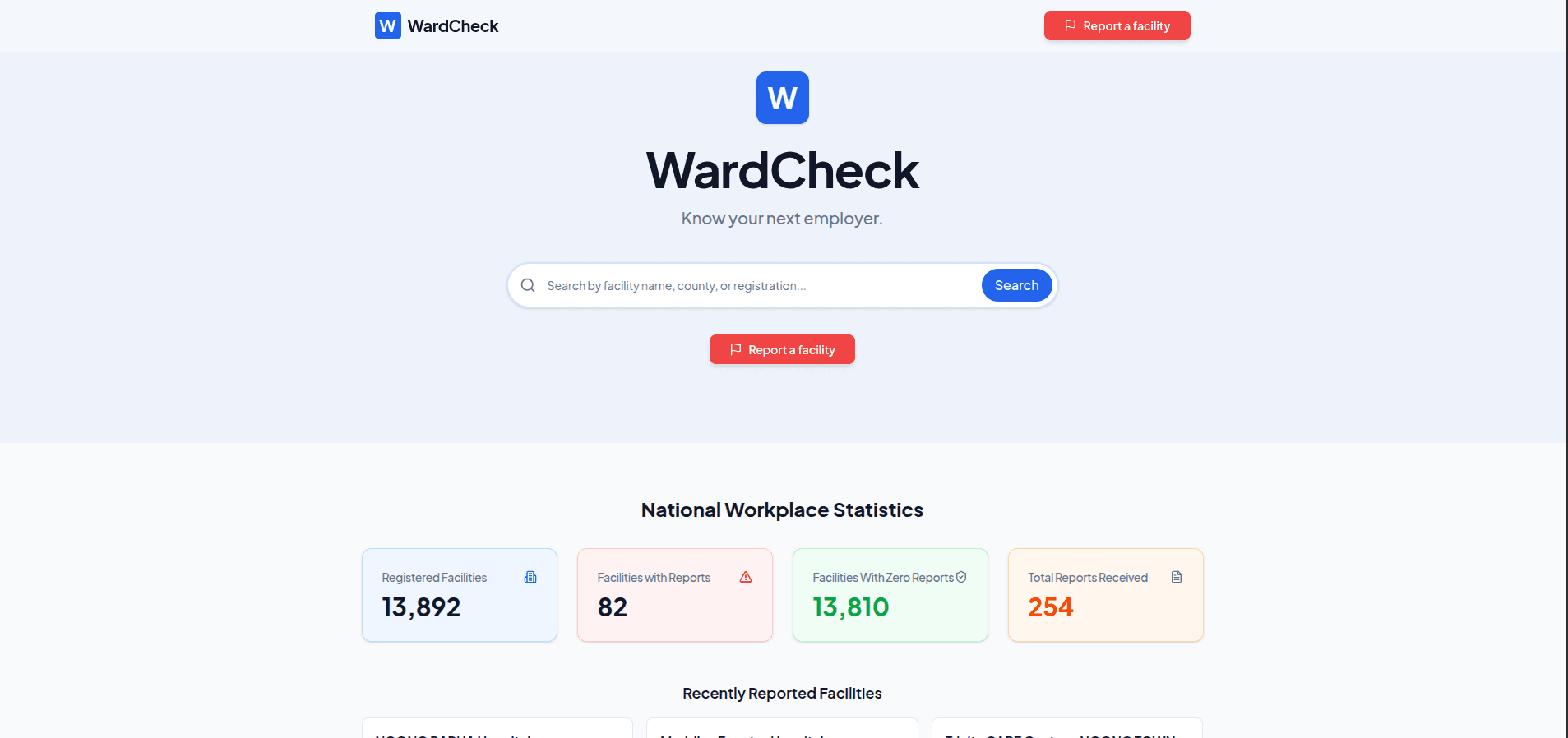
Choosing where to work in healthcare is an important decision, but the information needed to make that decision is not always easy to find. WardCheck was created to make that process more informed.
The problem
Health workers may want to understand more about a healthcare facility before applying for or accepting a role. Relevant workplace information can be scattered, difficult to compare, or unavailable in one clear place.
WardCheck focuses on this gap by bringing facility discovery and workplace reports into a searchable experience.
What WardCheck does
The platform allows users to search healthcare facilities by name, county, or registration. It also provides a view of facilities with reports, including filters for county, ownership type, and facility level.
The aim is not to tell a health worker where to work. It is to make useful facility information easier to review so that each person can make a better-informed decision.
Designing around a real healthcare workflow
WardCheck began with a practical question: what would help a health worker move from uncertainty to a more informed conversation about a potential employer?
That question shaped the product experience. The interface keeps facility search prominent, makes report visibility clear, and presents information in a way that can be scanned before exploring the details.
Building with healthcare context
My clinical background informs how I think about the product. Healthcare platforms need to be understandable, careful with information, and grounded in the realities of people working within health systems.
WardCheck is currently running and continues to develop as a healthcare workforce intelligence platform. Its direction remains simple: help health workers know more about potential employers.
What comes next
WardCheck is still evolving. Future improvements will be guided by how health workers use the platform, what information they find most useful, and how facility reporting can remain clear and responsible.
The broader lesson is that digital health products do not always need to begin with complex technology. They can begin by identifying a real information problem, understanding the people affected by it, and designing a focused way to make the next decision easier.